Every newsroom I could buy lets me read my press releases. Not one lets me write one.
Most press rooms are somewhere else. A different domain, a different vendor, a different login that one person on the team still has. You publish maybe six things a year, and each one is a ticket to someone who is not you.
I've run press rooms like that. You probably have too. And the pricing tells you how the category thinks about it: the incumbents sit between roughly €3,000 and €35,000 a year to host a page you update six times. When I reviewed the category in July 2026, pr.co documented its API as read-only, with no webhooks. Read-only. You can pull your own press releases back out. You cannot put one in.
So the automation question answers itself. There isn't any.
Why the whole category reads the same
Here's the part that decides everything: a press room is treated as a place to store announcements, not a surface to operate.
You can see it in the markup. There is no schema.org/PressRelease type — the correct type for a press release is NewsArticle, and it is the only one that carries a dateline. When I surveyed 30 live corporate newsrooms in July 2026, four emitted NewsArticle at all. Not four got it slightly wrong. Four emitted it.
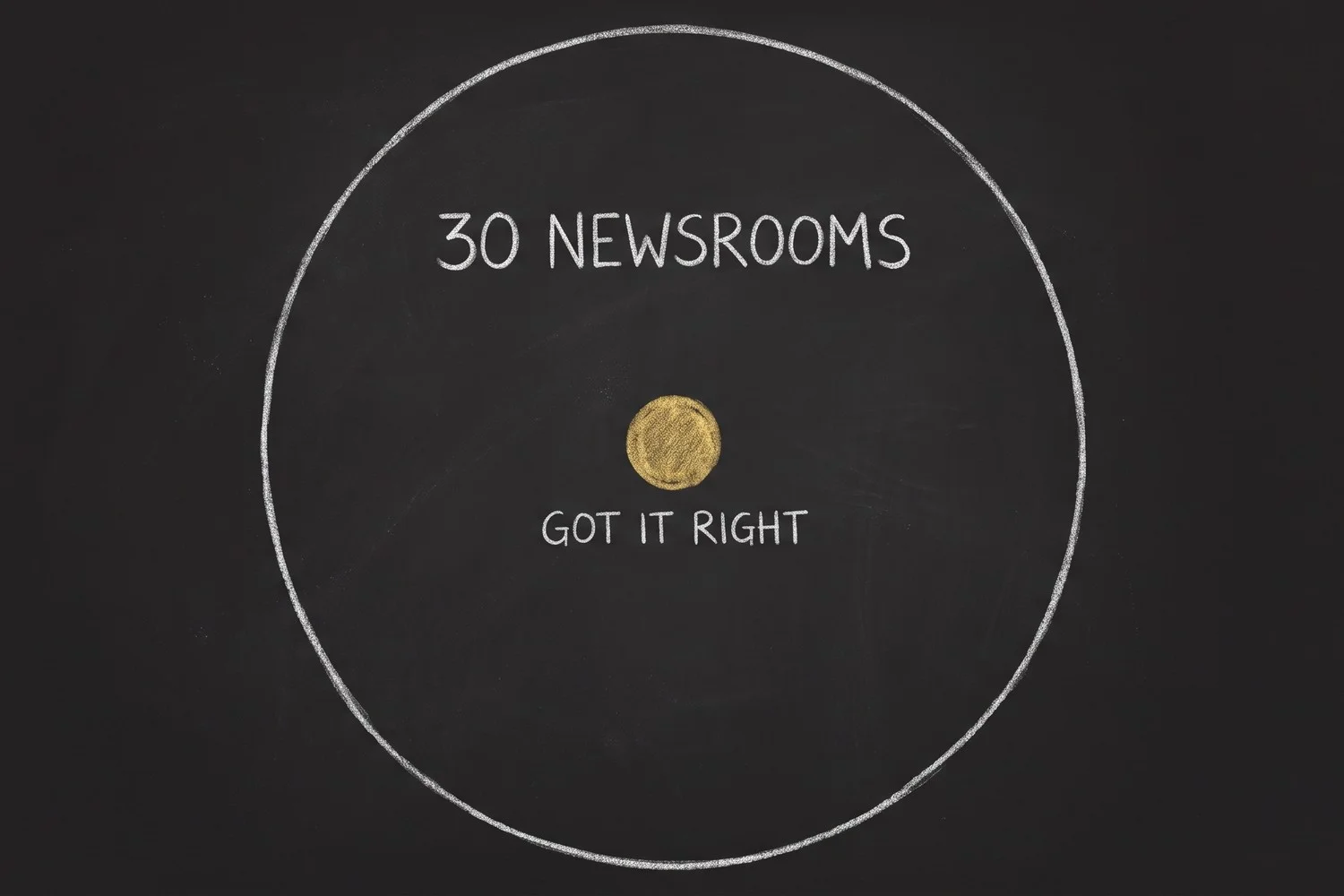
That is what a storage mindset produces. A page that looks like a newsroom, sitting on a subdomain that hands its link equity to a vendor, marked up as a generic web page, with an API that will politely read your own words back to you.
So I built the opposite
The Newsroom is a first-class content type on your SpiderPublish site. Releases live at /press, next to your blog and your docs — same site, same deploy, same palette, same domain.
But the part that matters isn't where it lives. It's that you can write to it.
There are 27 press tools over MCP and a spideriq content press command group. An agent can draft a release, attach a media kit, set a dateline, schedule it, embargo it, and hand you the preview link. Not a draft it suggests for you to paste somewhere. The actual publish.
Let me show you exactly what that looks like
Say a release goes out Tuesday at 9am, and three trade journalists get it early.
You apply the Corporate template — one of six newsroom starters — and it composes the press room around your existing palette. You write a boilerplate once, because you will attach it to everything after this. You add a press contact with a region and a beat, so the release points at a person instead of press@.
Then you hand the release to an agent. It sets the dateline. It schedules the go-live. It embargoes the release until the lift time, and mints each journalist their own expiring preview link — so if it leaks, the leak has a name. The preview is marked noindex, so it never reaches a search engine before you do.
At 9am Tuesday nobody is at a keyboard. The release publishes itself, the feed updates, and the journalists who double-opted-in to your list get notified.

Now for the part I did not build.
The media kit ships empty, and I am not going to fix that
Apply a template today and the media kit block is empty.
That is deliberate, and it is the rule I would defend hardest. Earlier versions of these starters shipped with placeholder assets — a sample executive headshot, a "download all" weighing 24.6 MB, a set of logo files. They were convincing. They were also fictional. A tenant could apply a template, publish, and have a live page offering journalists a headshot that did not exist.
So I took them out. A template will never publish an asset you did not upload. Until you add your own under Content → Press → Media kits, the block says so plainly instead of lying on your behalf.
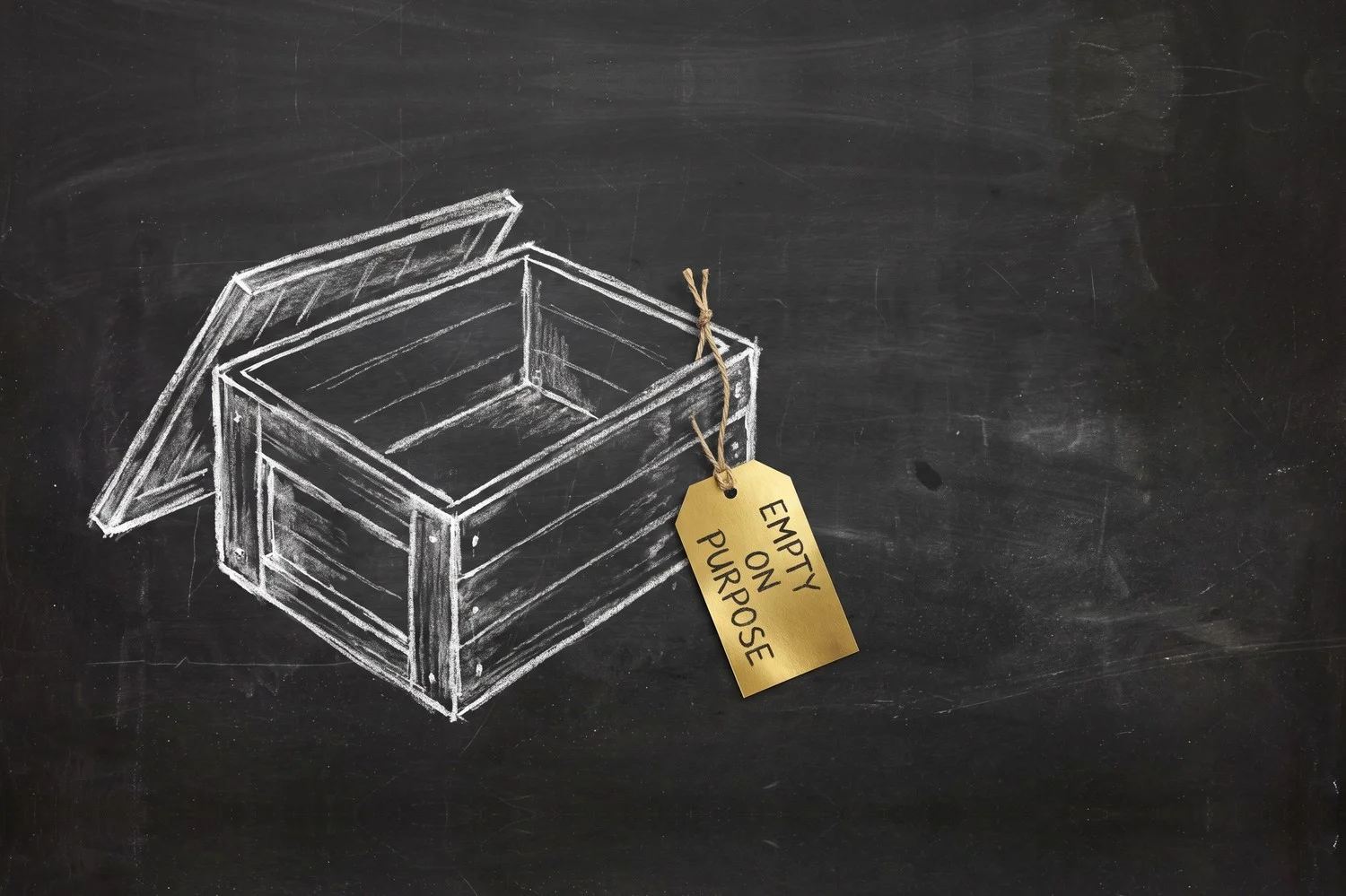
Downloads are ungated by default, too. A reporter on deadline should not hit a form wall to get your logo, so they don't.
What you can check yourself
Bottom line? Every claim above has a surface you can inspect without taking my word for it.
Every release page can emit NewsArticle structured data with a dateline — turn structured data on for your site and it is applied automatically. Append .md to any release URL and you get clean Markdown — the format AI crawlers ingest best, and with llms.txt it makes your newsroom machine-readable rather than a wall of rendered HTML. The index publishes RSS, Atom and JSON feeds, including per-release-type ones.
And here is what I deliberately did not build, so you find out now rather than after you migrate: no Google News sitemap, no multilingual newsroom, no investor-relations module, no coverage tracking. Those were cuts, not a roadmap.
Try it
Apply a newsroom template from the marketplace and put a real release on it. If you run an agent with the SpiderIQ tools installed, ask it in plain language: "draft a launch announcement dated in Berlin, attach the product media kit, embargo it until Tuesday 9am and send me the preview links."
The guide is at publish.spideriq.ai/docs/building-your-site/newsroom.
A press room you cannot write to is a brochure with a login. This one takes instructions.